Contextual discovery
People needed to find Fropcorn in the right place.
Travelers had to recognize that local streaming was available before they spent time or mobile data searching for entertainment.
Designing a hyper-local streaming service that brought movies and shows to travelers through nearby Wi-Fi—without relying on a mobile connection.
Fropcorn used local servers and Wi-Fi hotspots to bring movies and shows to travelers where reliable internet access was out of reach.
Strategy and execution. I joined Fropcorn in early 2016 and led experience design and marketing communication across the service.
Local Wi-Fi servers brought the service to buses, malls, railways, and airports—places where connectivity was limited but the need for entertainment was high.
A connected service ecosystem aligned physical acquisition, offline delivery, product activation, and retention around travelers' intent-rich moments.
UX strategy, UX research, Service design, UI architecture, Information architecture, Growth design.
The service had to connect physical discovery with a clear first experience, then make local entertainment valuable enough to bring people back.
Contextual discovery
Travelers had to recognize that local streaming was available before they spent time or mobile data searching for entertainment.
First-value activation
The service needed to make its hotspot, freemium model, and available content easy to understand from the first interaction.
Repeat engagement
Occasional travelers needed a reason to return, so the service expanded toward daily commuters and episodic viewing.
We used the Triggers–Effects method within the RAISD framework to identify high-intent moments and coordinate physical and digital touchpoints around each travel context.
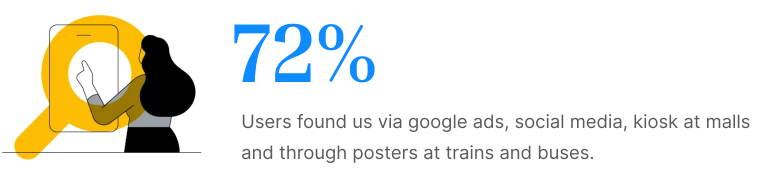
Kiosks, posters, brochures, and location-specific messaging explained how to connect and stream without using mobile data, tying the service promise to the place where it mattered.
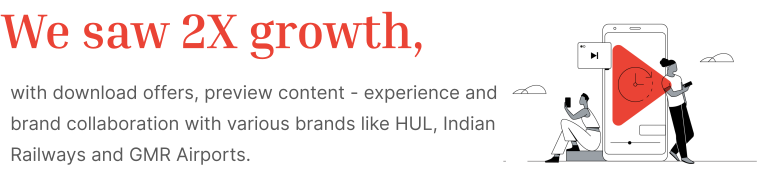
We made the freemium exchange easier to understand and introduced growth mechanics that helped users move from a hotspot connection into meaningful participation.
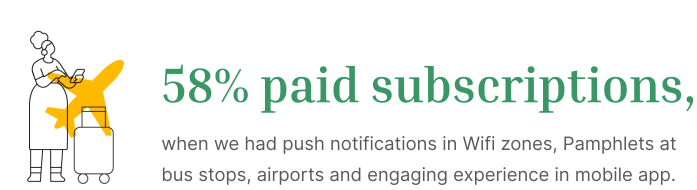
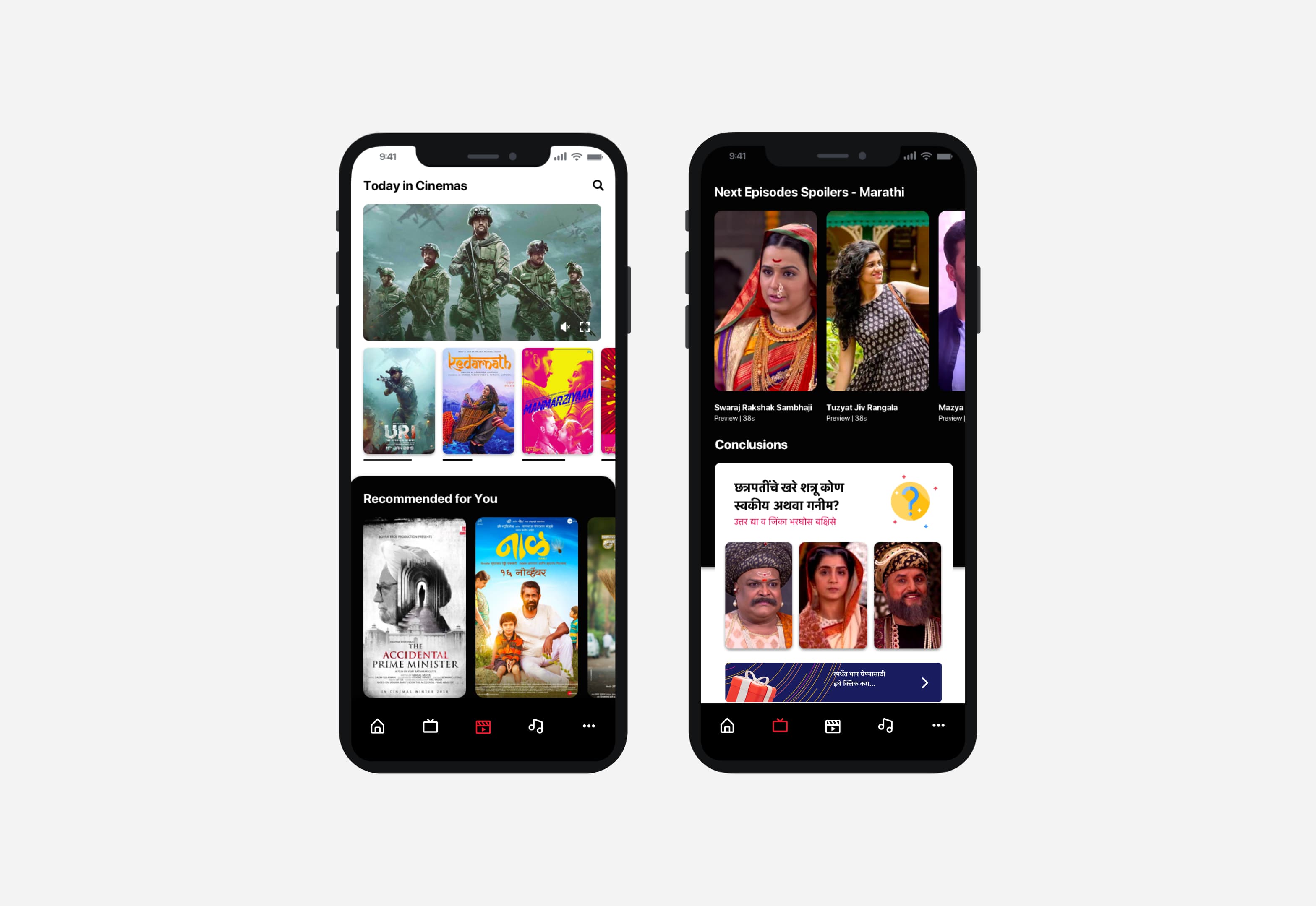
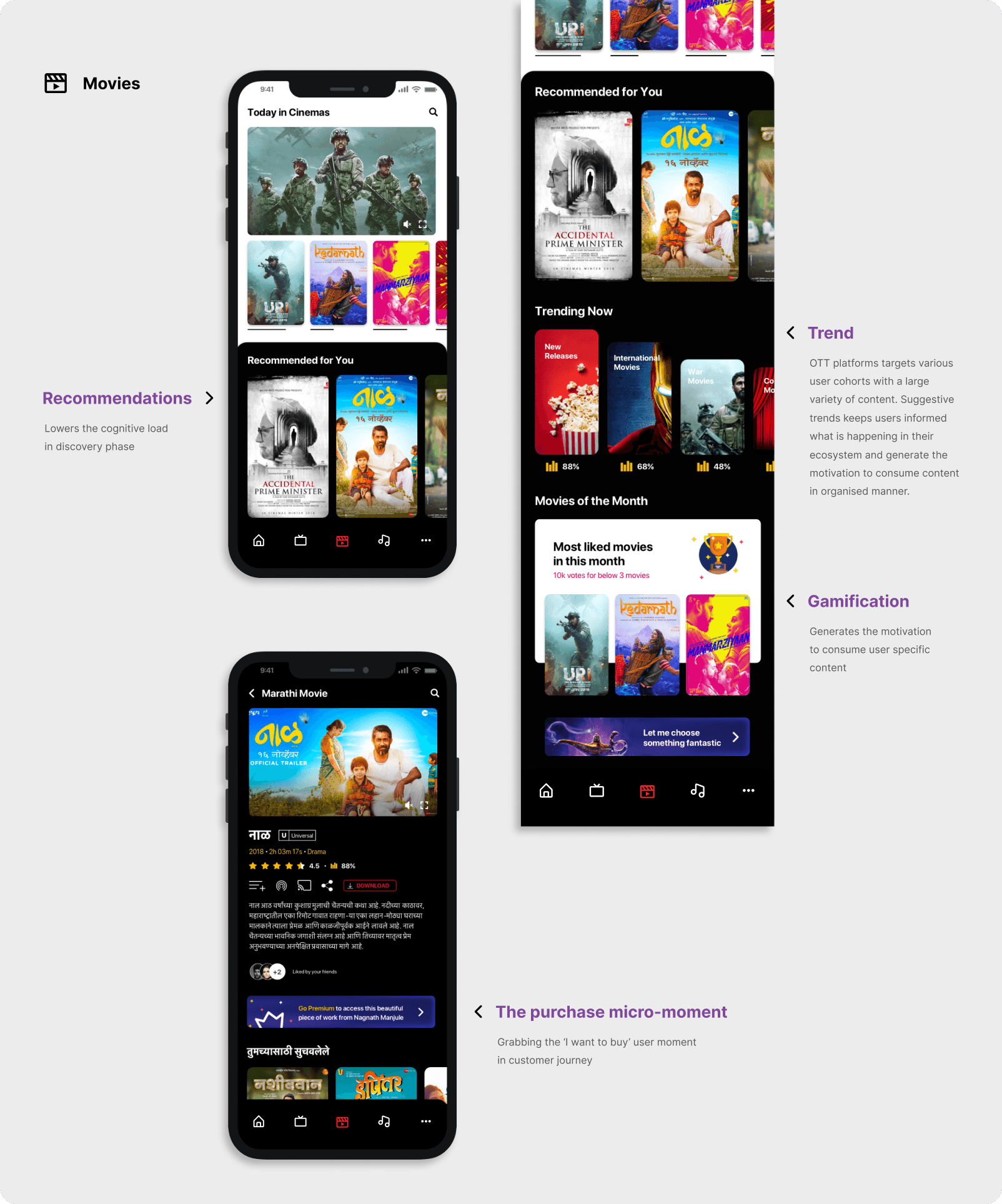
Research with real travelers shaped recommendations, trends, contests, and playlists that made a constrained offline catalogue easier to explore.
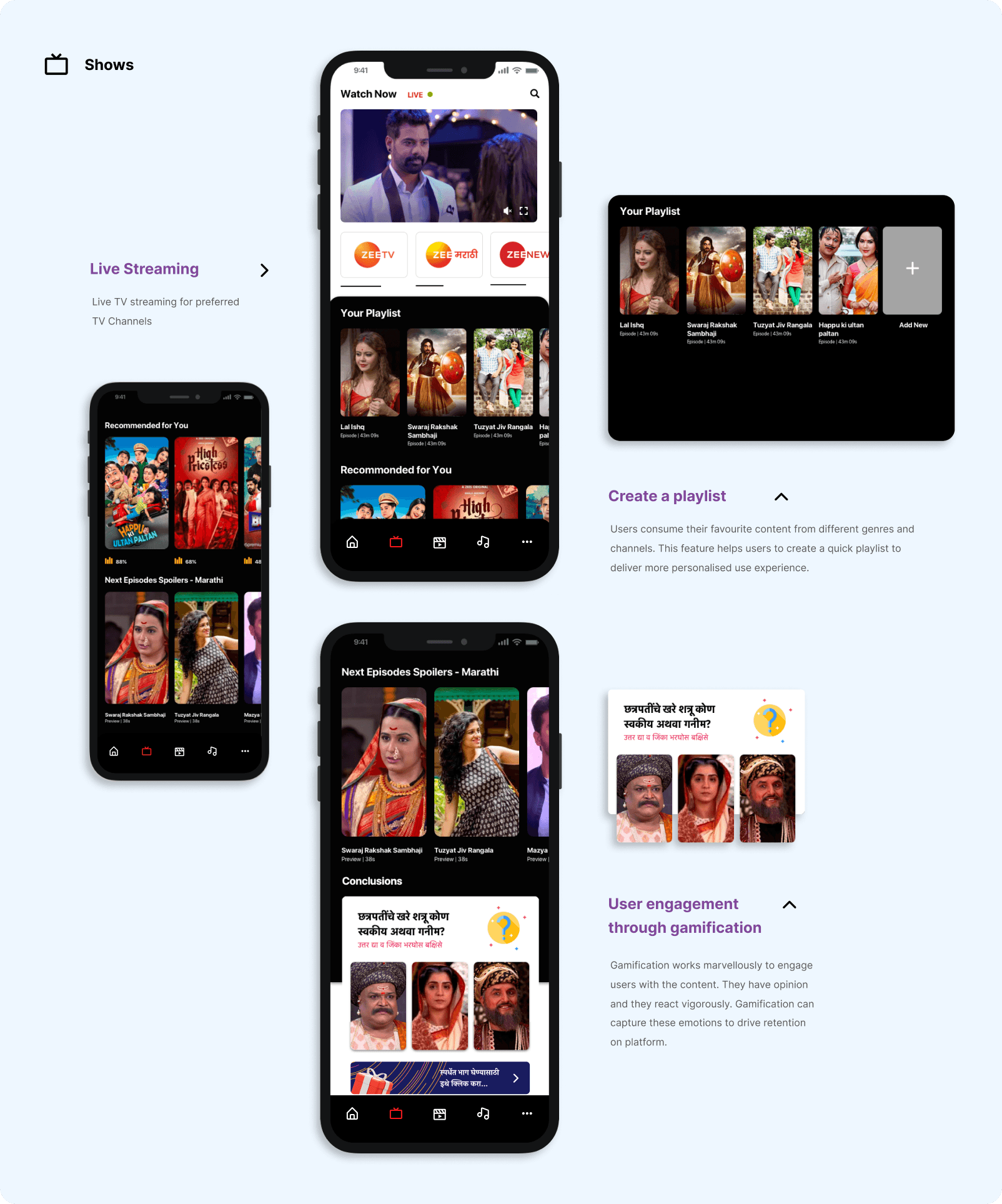
We expanded beyond occasional trips into buses and trains used by daily commuters, adding episodic shows that gave the experience a natural reason for repeat visits.
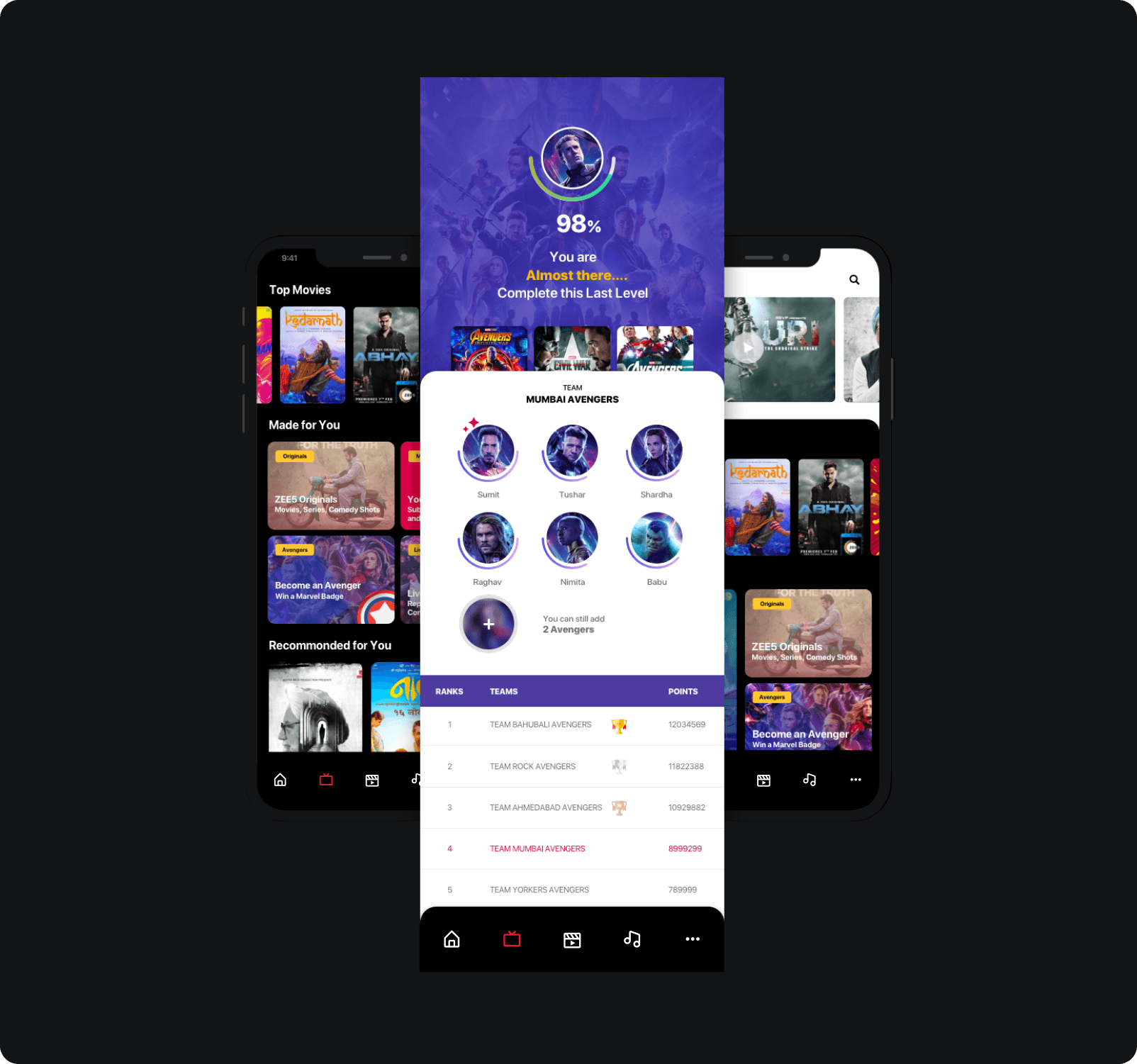
An Avengers-inspired team challenge connected viewing to scores, levels, and badges—giving fans a social reason to participate and invite others.